Monday, December 27, 2010

Ephesus, Turkey


Ah what grand Roman ruins! Spread out and rebuilt many times over. Through the main walkway, once were shops and the agora, the meeting center. The facade of the massive library and "toilets" for the men are still impressive and intact--giving us a glimpse at the advanced water system and progressive nature of this grand empire. Royal cats sit on pillars--even now giving us a sense of the grandeur and pristine nature of this site.

Outside the ruins, a Turkish bazaar. Men stop the children, giving them gifts, pinning them with "the eye of the owl" to ward off evil and bad luck. High pressure Turkish carpets for sale--but we make due with our first cup of apple, Turkish tea! Cheers to Turkey, and more to come!


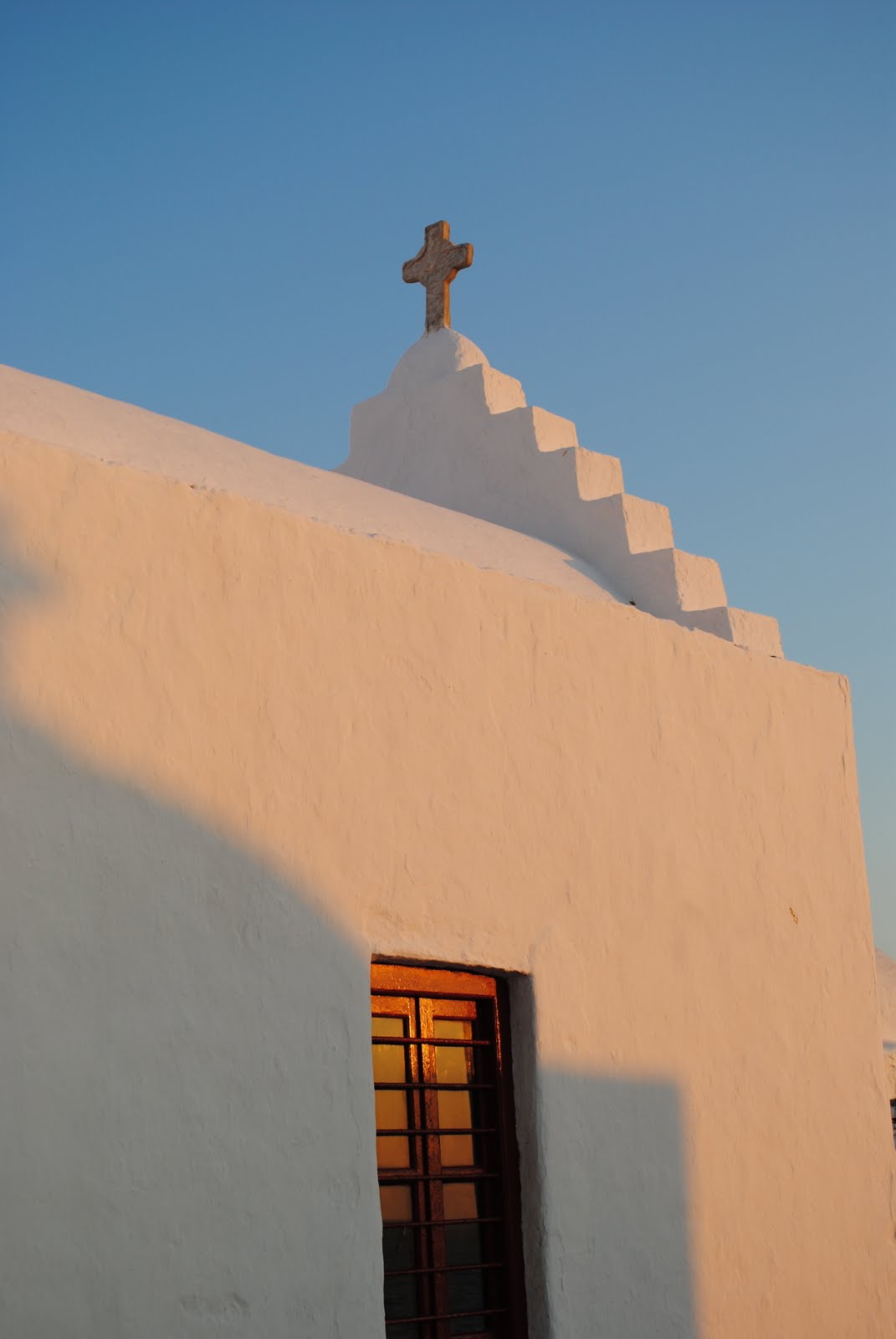
Ah Mykonos--a gorgeous bay--white washed homes and the classic white chapel on the beach. Gentle waves bring me peace instantly. Cobblestone roads along the shore lined with small shops and wooden boats bobbing in the bay. Creeping pink bougainvillea contrast against blue doors. And against a vibrant sunset and crashing waves, the Mykonos windmills grace the background. Paradise. True paradise.

Deep Earthen Magic


Delphi. Pilgrims traveling far and wide to get their questions answered on the 7th day.
Questions that would solidify their future--good for bad. They began with the purification process at the sacred spring, a sacrifice--baby goat (ugh) cooked and ate there. Apollo himself spoke through the high priestess. Pilgrims would ask their questions, and he would answer--giving two sides of the coin--two possibilities.

Built on the side of Mnt. Parnassos, Delphi was known as the navel of the Earth--the magical meeting point of two eagles sent by Zeus from the ends of the universe. It encompassed all the important elements of Greek culture--drama and theater plus athletic events as well. The steep hike up the marble path gives a sense of the work it took to get to Delphi--and in the air the vanilla scent from the pines works its sweetness into me. It's a place of purity and deep, earthen magic. Apparent on the prophecies carved into stone. The future laid out right in front of us~

Sunday, December 26, 2010

Olympia


Imagine you are an ancient Olympic athlete in Olympia, crossing the archway into the stadium. The hot sun on your neck, buzzing of cicadas fills your ears. You race across the track, sweat on your brow, a heartbeat so strong and fierce it take you back in time.

The grandeur of the site overwhelms us. The time and preparation to honor the athletes obvious. Through occupation, earthquakes, statues like the 12 Labors or Hercules survive, sacred places, like the site between the statues Hera and Zeus--the place of the reenactment of the lighting of Olympic fire. It's all still there--still vivid in the remains--everything recovered but the Hippodrome. Even remnants of the walk of shame--statues that honored and shame the cheaters of the great races.

The buzz is still there--and it's so apparent how important competition and athletics has been and will always be. What is it that drives us to compete? To push our physical nature? An innate sense of immortality? Here is seems that the gods and goddesses feel it too.

That night in the quaint town of Olympia--we have drinks in the Green cafe--under sycamores, surrounded by green glowing lights. An old Greek waiter that had a tough time with my minimal Greek created a new beverage for me--a mix with Morello cherry that becomes my favorite. The candle light flickers in the wind and kids play soccer along the streets.

The buzz is still there... ah, Greece. How do I love thee?

Wednesday, November 17, 2010

Art is Healing


Drama. Tragedy. We owe it all to the Ancient Greeks. Their open-air theaters were built on hillsides for their terraced seating. For the them, drama meant healing, and these theaters were often constructed near sacred locations. Today, most of the ancient theaters have seen better days. But the origins and advanced architecture are apparent in Epidaurus, the best preserved Greek theater that lies near the sanctuary of Asklepios, god of healing. Here, we climb the terraced seats (once wood, now stone) toward the top. Midway, we lounge in "throne seats" ornate stone chairs designed for ancient VIPs. We do feel royal, looking down below at the circular orchestra, or main performance space--known as the "dancing place." Now thought to have once had the altar Dionysus at its center. This place was grand, and still is.

Sitting in the "theatron" or "seeing place," we are the audience, watching and listening as fellow guests belt out tunes and hum bars down below. Fifty-five semi-circular rows provide space for 12-14,000 people--and is still used today for performances of all kinds. The sounds are amazing--designed with three locations at its center for perfect acoustics anywhere in the theater. Historians believed that the actor's building was spread toward the back across the orchestra. While the choir remained in the circle during the whole show, the actors made several entrances and exits through the doors of the building.

We descend the 55 rows of seats into the center circle. There on cue, we sing "Happy Birthday" to my dad. One of many 75th b-day celebrations he is to have on this trip-- to the home of his ancestors. Greece itself often feels like a place of healing. Here at Epidaurus, people attended the theater as a part of their treatment. A way to purge the demons and bad will inside. I think the magic still exists. The inspiration of a live performance--truth that pours out through a character, a musical note, or a song.

Those Ancient Greeks had it right thousands of years ago. Art is healing.

Wednesday, October 6, 2010

Cobblestoned Cove


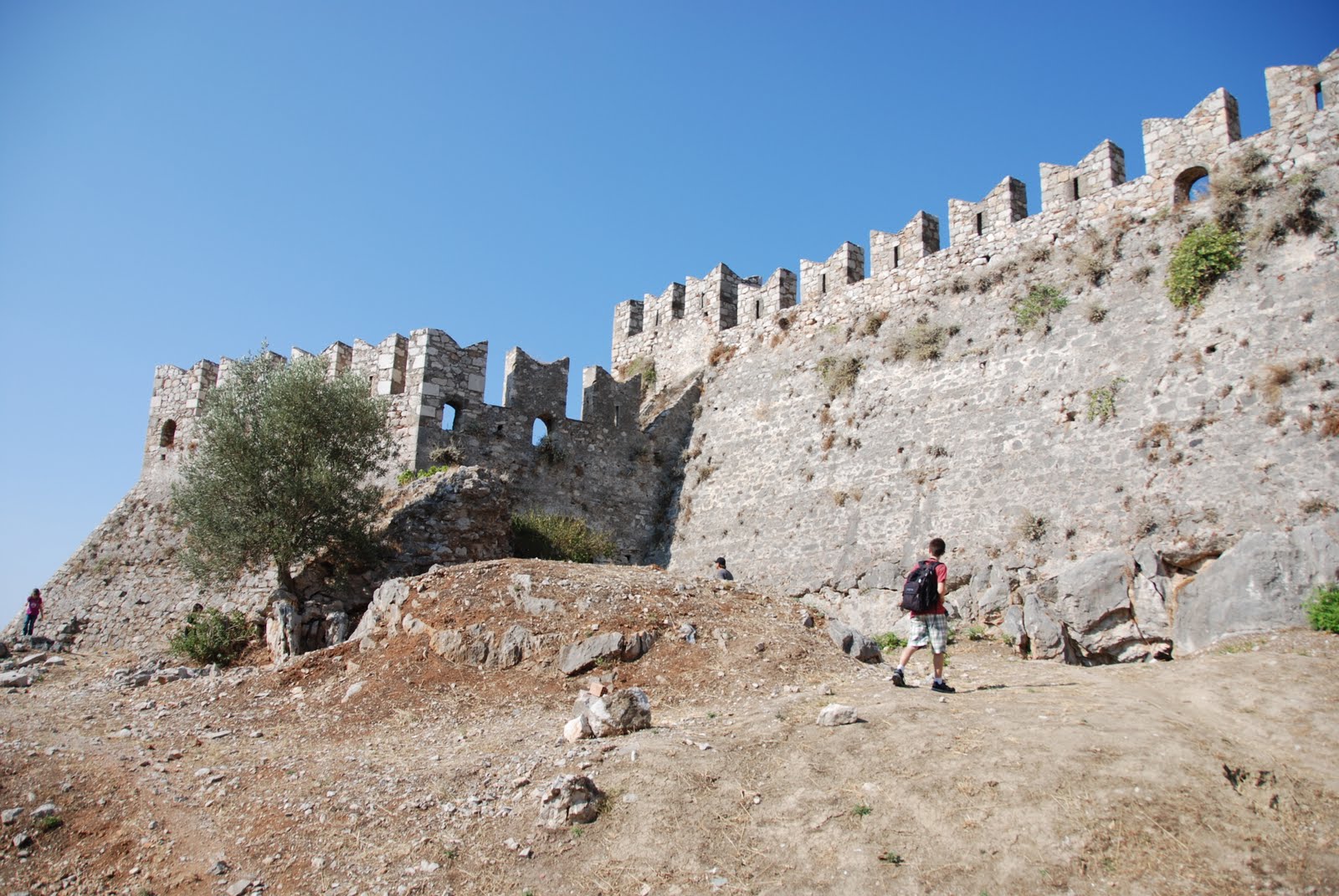
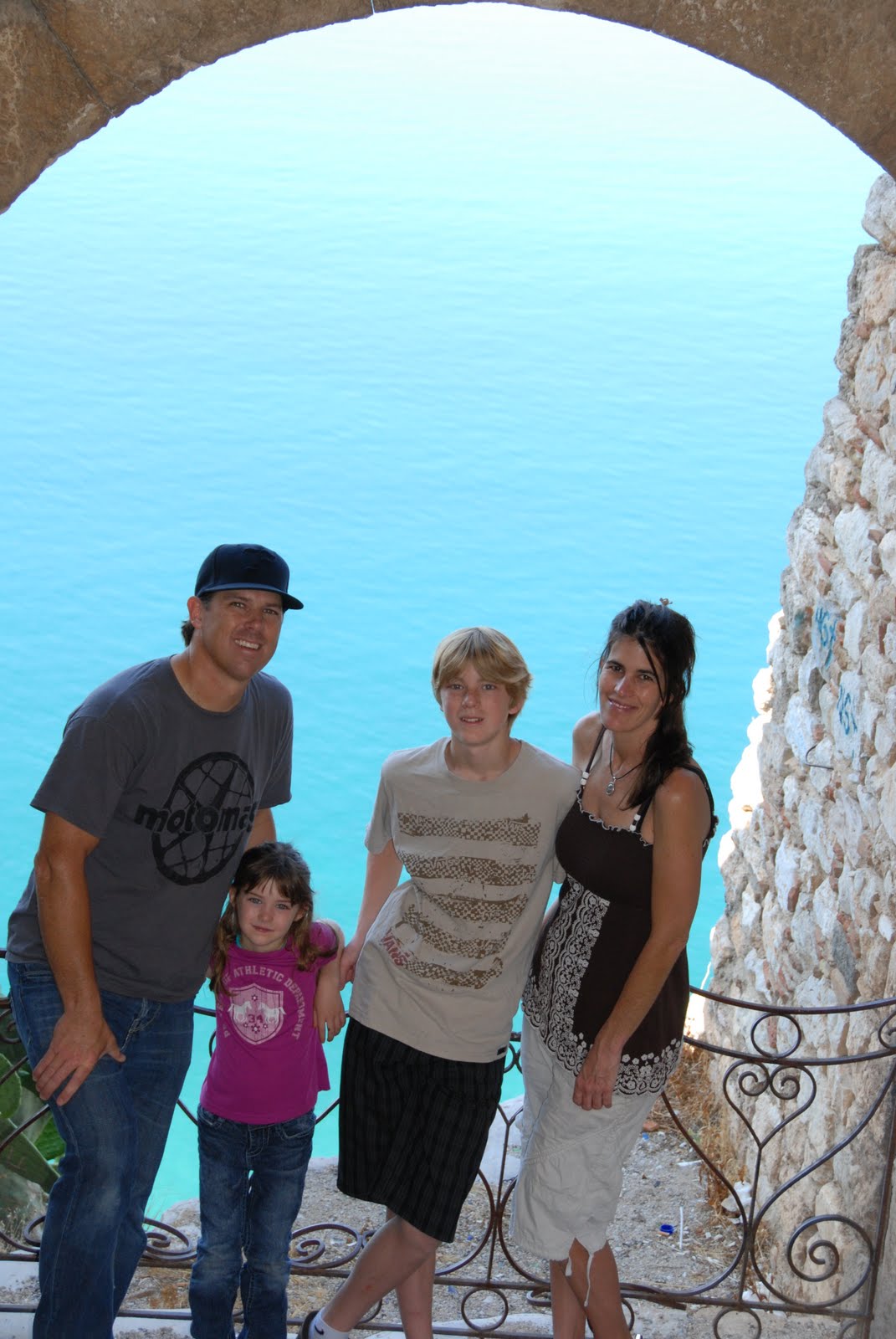
Lucky our guide decided to make a spontaneous stop. Naufplio--a gorgeous beachside town south of Mycenae in a natural peninsula in Peloponnese. We stroll through the harbor and into town. Beautiful cobblestone streets draped in bougainvillea. Hiking uphill on small steps, we aim for the clock tower of an old fortress that's become almost a skeletal foundation of the town. It's open--not crowded--another integration of the old and new. At the top, we are mesmerized by the aquamarine cove down below and wish more than anything to fly off the cliff, land in snorkel gear, and spend the next two weeks underwater. But alas, time ticks away. The view is full of patterns. Red tile roofs. Arches along the tips of the fortress. An old prison/island out in the bay. It's an incredible place. One hit hard by the economy. Shop owners rely on whatever they can sell. They make due if they can, but take each day with hope. Back in the square, we meet a cute Greek couple (actually, it's my dad in an adorable Greek cap and his wife.) They walk hand in hand through the romantic plaza. Love. Family. Paradise. All wrapped up into one.

Thank you Jeremy Woo-Sam for your lovely shots of Naufplio and our family!

Tuesday, October 5, 2010

Zeus Outside my Door


The drive from Corinth to Mycenea gives us an amazing glimpse into the country. Greece itself is on a point where three continents meet--creating a variety of flora. (Think olives and wine. Yum.) We pass glorious vineyards. White and pink oleander planted along the roads to ward off animals and prevent road kill. Small shrines (although some are really HUGE) are scattered roadside--iconostatse--18th century traditions built in memory of a lost lives. In the old days, the shrines held a bottle of red wine to honor the deceased. People would stop by to take a shot. (Humm...alcohol on the road? Who's idea?) I watch goats scuttle along the rocky cliffs, climb past orange trees as we get closer to the great center of power during the late Bronze Age: Mycenae.

It's a gorgeous mountain, naturally protected and crowned with the remains of ancient palaces and walls. We walk up the steep path to the entrance of the citadel--the Lion's Gate. Two lions stand as sentries of protection, leading into the palace. This legendary carving is the earliest known piece of European sculpture.

Just inside the Lion's Gate, we spot the grave circle--home of the iconic golden mask of Agamemnon. This site, once thought only a legend (founded by Perseus) in the poetry of Homer, was discovered by an amateur archeologist named Heinrich Schliemann in 1870. Mycenae was ruled by Agamemnon, the great Greek king who led troops against Troy. Upon returning victorious, he was murdered by his wife, Klytemenestra and her lover. Up toward the top of the site, we pass the remains of the bath where this crime took place. (Those Greeks are all about drama.) Despite it's dark past, it's a lovely walk around the mountain--views of green as far as the eye can see. An unusual feeling to be a present participant on an ancient stage.

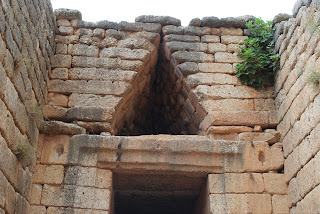
We check out the Treasury of Atreus (Agamemnon's father--who they think the golden mask really belonged to.) The Tholos Tomb is empty--long ago pillaged, but it's sheer size (5.4 meters high) is breathtaking. It's muggy. Dark. It's emptiness creates such a void. Memories stolen. Outside, dark clouds rage. As we step through the threshold, thunder sends its voice across the sky. Have we angered the gods?

Who knows. It's true--we're observers of ancient myths come to life. Past cultures forever vanished. But somehow, the ancient feels not so far away. And it wouldn't surprise me in the least to find Zeus or Poseidon standing outside the door.

Greece. It's just like that.